
The short version: basic rules
- Wash your hands every time before you touch your ears or earrings.
- Clean twice a day with the antiseptic solution our specialist recommended.
- Don't change the earrings early. The first earrings stay in for at least 6 weeks.
- No pool or sauna for 7–14 days. Keep the area clean and dry.
Not sure about something? Don't take the earring out yourself. Call us on +359 890 200 100, and if you notice any of the symptoms under when to see a doctor, get medical advice.
Aftercare day by day and week by week
The soft part of the ear (the earlobe) heals initially in about 4–6 weeks, and full healing can take up to 3 months. Here is what matters at each stage:
| When | What to do |
|---|---|
| Piercing day | The earring goes in with the sterile STUDEX System 75, straight from its sealed cartridge. You get aftercare instructions, and you can pick up STUDEX aftercare gel at the clinic. |
| First 24–48 hours | Don't get the piercing directly wet; keep your ears dry. Mild redness and tenderness are normal. |
| First few days | Don't sleep on the pierced ear. Don't pull, squeeze or press on the earrings. |
| Days 1–14 | No pools, saunas, steam rooms, sea or dirty water. No intense sport with a risk of knocks or snagging, and no headphones that press on the ear. |
| Up to week 6 | Clean twice a day following the routine you were given. Don't remove or change the earrings. |
| After week 6 | Earlobe earrings can be changed, carefully and with clean hands. For sensitive skin, choose hypoallergenic materials. |
How to clean a new ear piercing
- Wash your hands before you touch your ear.
- Clean the piercing on both sides with saline solution or the antiseptic product your specialist recommended, morning and evening.
- After a shower or bath, rinse gently with clean water and pat dry without rubbing.
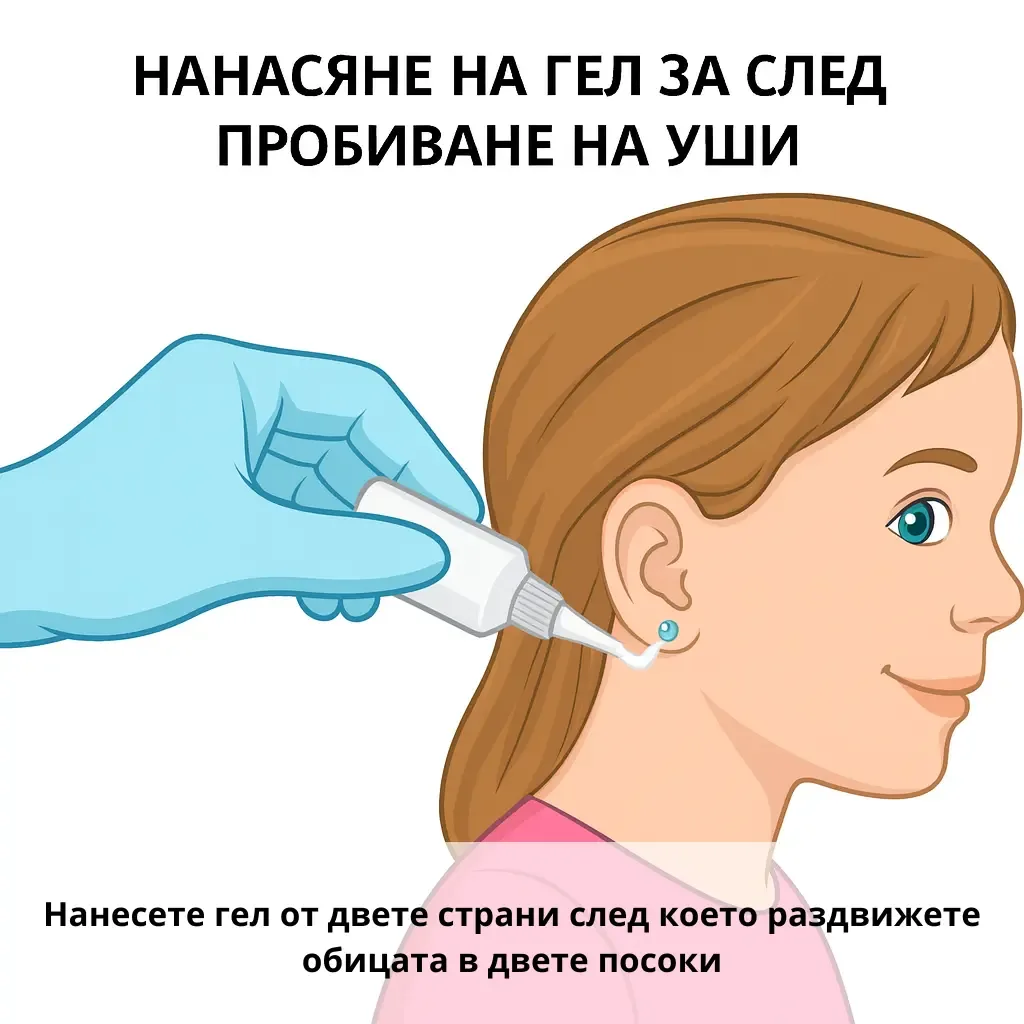
- STUDEX gel goes on both sides of the earring. Only turn or move the earring if that is part of the instructions you were given.
Important: don't use alcohol, hydrogen peroxide or iodine unless a specialist has explicitly told you to. Keep hairspray, perfume, makeup, shampoo and harsh cosmetics away from the area.
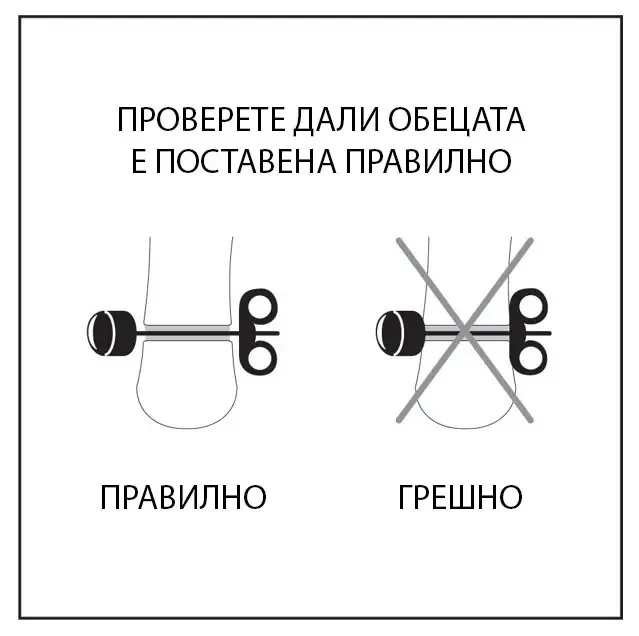
Also check how the earring sits. The back should be fully closed, but leave a little space between the earring and the skin so air can circulate.
Do's and don'ts
Do
- Keep the area clean and dry.
- Clean following the routine you were given.
- Watch for changes and act early.
Don't
- Don't remove or change the earrings while the piercing heals.
- Don't touch your ears when you don't need to.
- Don't let the earrings get pressed or snagged on clothes, hair or headphones.
When can you change your earrings?
For the earlobe, wait at least 6 weeks before changing the first earrings. After that, change them carefully and with good hygiene. Cartilage heals more slowly, so the minimum there is 12 weeks. At Abi Beauty we only pierce the soft part of the ear, not cartilage.
If your skin is sensitive, your next earrings should also be hypoallergenic. We pierce with medical earrings only: surgical steel 316L, or nickel-free medical titanium with 18kt gold plating.
When to see a doctor
Mild redness and tenderness in the first few days are a normal part of healing. See a doctor straight away if you notice:
- severe or increasing pain;
- redness and swelling that keep getting worse;
- pus or an unpleasant smell;
- a raised temperature;
- an allergic reaction: itching, rash, severe swelling;
- things getting worse instead of better after 48–72 hours.
If there are signs of inflammation, don't remove the earring before you have talked to a doctor.
Aftercare for babies and children
Babies' and children's skin is more sensitive, so good aftercare matters even more. For the youngest we choose smaller earrings (2–3 mm) with a rounded shape so they don't catch on clothes or hair. Protect the ears from rubbing and make sure your child doesn't play with the earrings. If you are still comparing studios, read our guide to choosing an ear piercing studio in Sofia.
Book your visit online in a minute.
Pick a service, a clinic and a time that suits you. Open every day 10:00–20:00.